In today’s digital age, accessing public information is easier than ever. Whether you’re verifying someone’s identity, reconnecting with a lost contact, or researching publicly available records, understanding how US people search tools, background checks, and public records access work is essential.
This guide explains everything you need to know — how these systems work, what information is available, what’s legal, and how to get accurate results in 2026.
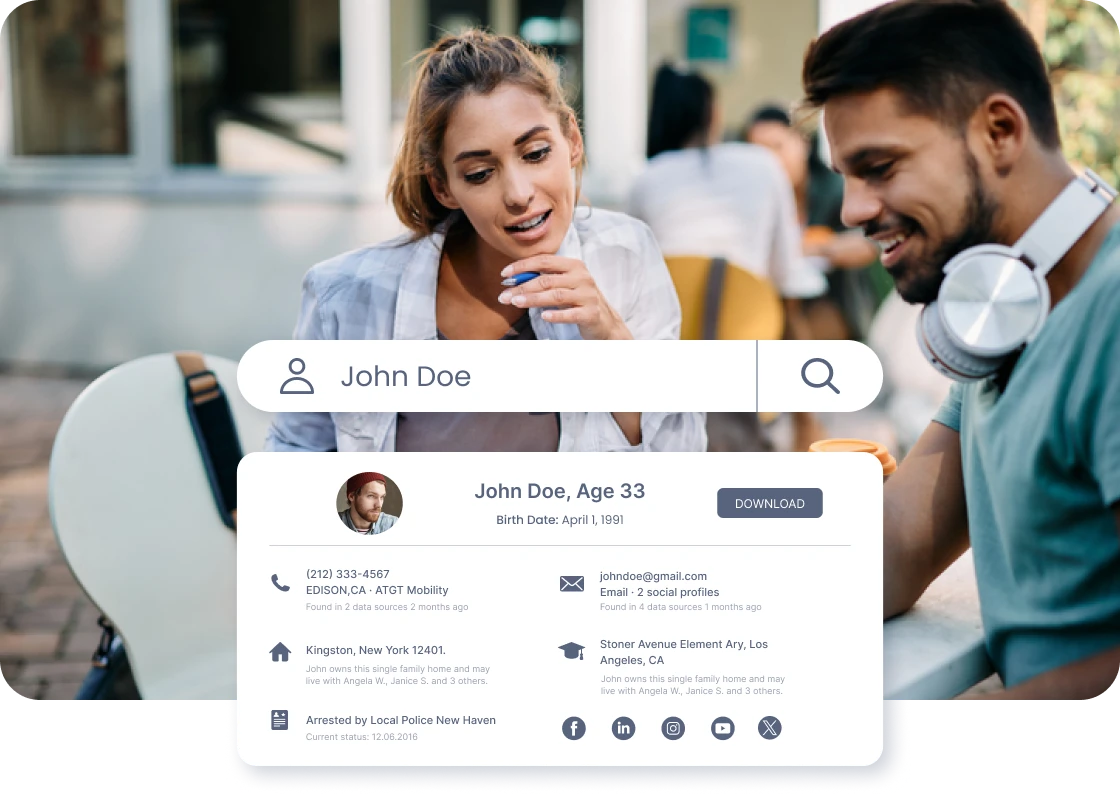
What Is a US People Search?
A US people search is the process of locating publicly available information about an individual in the United States. People search tools gather data from various public sources and organize it into searchable databases.
These sources may include:
- Property records
- Court records
- Business registrations
- Voter registration databases (where public)
- Professional licenses
- Archived directories
Instead of manually checking multiple government websites, people search platforms compile data into one report.
What Information Can Be Found?
Depending on the source and search method, you may find:
- Full name and known aliases
- Current and previous addresses
- Phone numbers
- Email addresses
- Age or date of birth
- Associated relatives
- Property ownership records
- Civil court filings
Availability depends on public record laws and state regulations.
Understanding Background Checks
Many people confuse a simple people search with a formal background check. While related, they are not always the same.
1. Informal People Search
This is typically used for:
- Reconnecting with someone
- Verifying public contact details
- Checking publicly filed records
- Identifying unknown callers
It usually relies on publicly accessible data.
2. Formal Background Check
A formal background check is more structured and may include:
- Criminal record searches
- Employment verification
- Education verification
- Credit checks
Important: Formal background checks used for employment, housing, or credit decisions must comply with federal and state regulations.
How Public Records Access Works
Public records are documents created by government agencies and made available to the public under transparency laws.
Examples include:
- Court filings
- Property tax records
- Marriage and divorce certificates
- Business entity filings
- Professional licensing records
Access methods vary by state and county. Some records are searchable online, while others require in-person requests.
Best Methods for Accessing Public Records
1. Search by Full Legal Name + State
Adding a state dramatically narrows results and improves accuracy.
2. Use County-Level Databases
County court and property websites often provide the most accurate and updated records.
3. Verify with Address History
Matching past and current addresses confirms identity and reduces confusion with similar names.
4. Cross-Reference Multiple Sources
Compare:
- Address history
- Age and birth year
- Known relatives
- Property ownership
Consistency across records increases reliability.
Free vs Paid US People Search Services
Free Public Record Access
Pros:
- No cost
- Access to original government databases
Cons:
- Time-consuming
- Requires searching multiple sites
- May not be centralized
Paid Search Platforms
Pros:
- Aggregated public data
- Organized reports
- Faster search process
- Consolidated address history
Cons:
- Subscription fees
- Data recency may vary
If convenience and speed matter, paid services simplify the process.
Legal Considerations for Background Checks
While accessing public records is legal, how you use the information matters.
You may legally use public data for:
- Personal research
- Reconnecting with family or friends
- Verifying identity
- Reviewing public court filings
You must comply with regulations when using information for:
- Employment screening
- Tenant screening
- Credit approval
- Official background investigations
Improper use of background data can lead to legal consequences.
Common Misconceptions
“All Background Checks Are the Same”
False. Informal people searches and legally regulated background checks serve different purposes.
“Online Data Is Always Up to Date”
Not necessarily. Some databases update faster than others.
“Public Records Include Everything”
Certain records may be restricted, sealed, or limited by state law.
Tips for Accurate Results in 2026
✔ Use full legal names
✔ Add middle initials
✔ Include city or state
✔ Confirm age or birth year
✔ Cross-check relatives
✔ Verify address timelines
Combining multiple identifiers increases precision.
Frequently Asked Questions
Is US people search legal?
Yes, searching publicly available records is legal. However, regulated background checks must follow specific laws.
What’s the difference between a people search and a background check?
A people search gathers publicly available information, while a formal background check may include regulated screening processes.
Can someone see that I searched for them?
Generally, no. Most public record searches are private and do not notify the individual.
Final Thoughts
US people search tools, background checks, and public records access are powerful resources when used responsibly and legally.
In 2026, digital databases make it easier than ever to locate public information. However, success depends on:
- Using accurate identifying details
- Searching multiple sources
- Verifying information carefully
- Understanding legal boundaries
When done properly, a US people search can provide reliable public record results while staying compliant with applicable laws.