Car shipping prices in 2026 are more transparent than before, but they still vary based on distance, vehicle type, transport method, and market demand. These updated cost tables give you a realistic idea of what most people are actually paying this year so you can plan your budget with confidence.
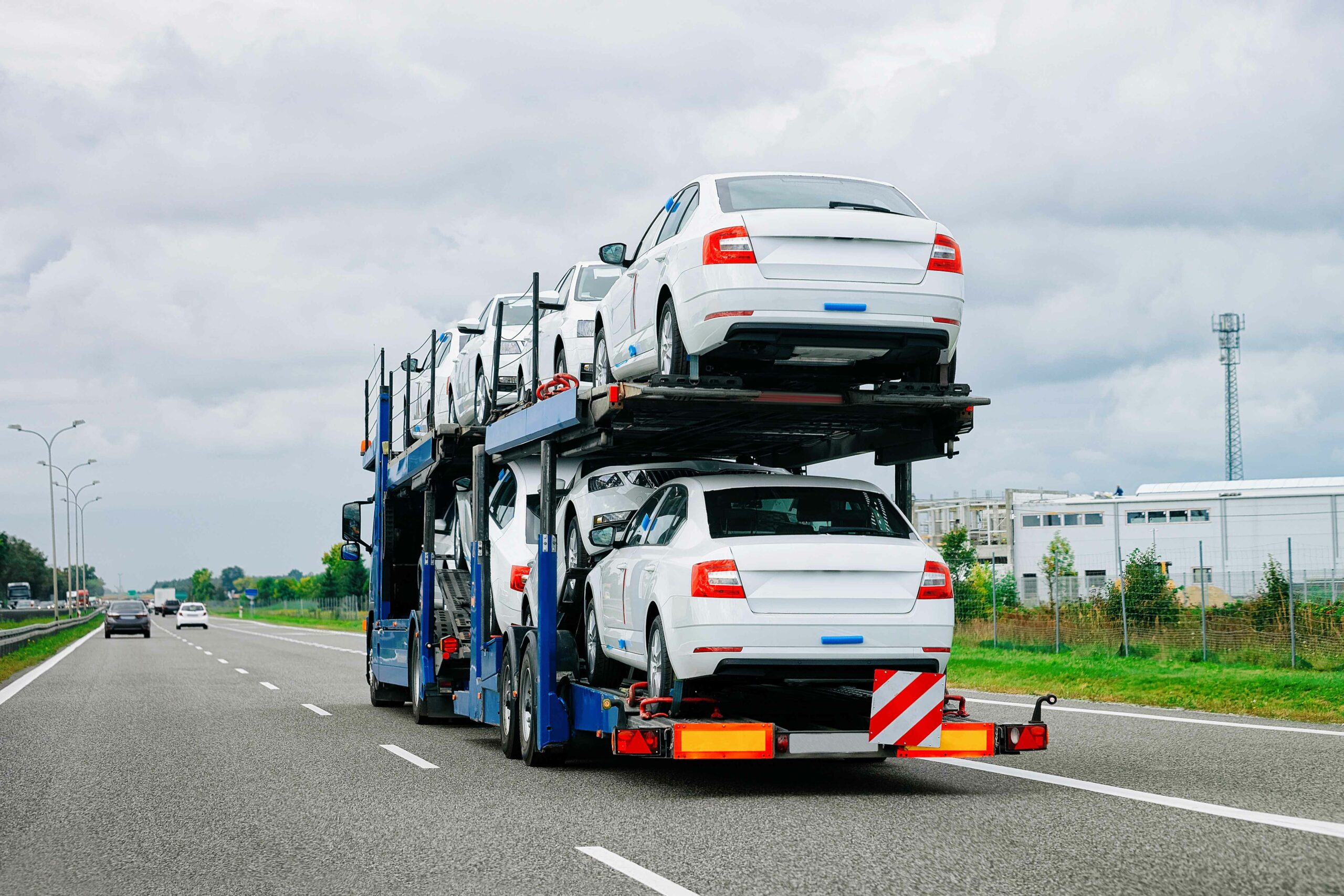
2026 Car Shipping Cost by Distance (Open Transport)
Distance remains the biggest pricing factor. Longer trips cost more overall, but less per mile.
| Distance | Average Cost | Cost Per Mile |
|---|---|---|
| Under 500 miles | $350 – $650 | $1.20 – $2.20 |
| 500 – 1,000 miles | $550 – $900 | $0.75 – $1.40 |
| 1,000 – 1,500 miles | $750 – $1,100 | $0.60 – $1.00 |
| 1,500 – 2,000 miles | $900 – $1,300 | $0.50 – $0.85 |
| 2,000+ miles | $1,000 – $1,600 | $0.40 – $0.70 |
In 2026, most long-distance shipments average around $1,000 to $1,500 depending on route demand and timing.
2026 Car Shipping Cost by Vehicle Type
Vehicle size and weight directly affect pricing because they impact trailer space and fuel usage.
| Vehicle Type | Average Cost Range |
|---|---|
| Sedan | $950 – $1,375 |
| SUV | $1,025 – $1,475 |
| Pickup Truck | $1,100 – $1,775 |
| Van | $1,050 – $1,650 |
Larger or modified vehicles may cost more than these averages due to extra handling requirements.
Open vs Enclosed Transport Cost Table
Transport method is another major price factor in 2026.
| Transport Type | Average Cost | Best For |
|---|---|---|
| Open Transport | $975 – $1,400 | Standard daily-use vehicles |
| Enclosed Transport | $1,400 – $2,200 | Luxury, exotic, or classic cars |
Enclosed transport typically costs 40%–60% more because it provides full protection from weather and road debris.
2026 Real-World Price Expectations
Based on current market trends, most customers fall into these ranges:
- Short-distance moves: $350 – $800
- Regional shipping: $700 – $1,100
- Cross-country shipping: $1,000 – $1,600
- Enclosed luxury shipping: $1,500 – $2,200
Prices fluctuate depending on fuel costs, route demand, and seasonal spikes.
What Changes Prices in 2026
Even with updated cost tables, your final quote can shift based on:
- Route popularity (busy routes cost less)
- Seasonal demand (summer is more expensive)
- Pickup location (rural areas cost more)
- Vehicle condition (non-running cars cost extra)
- Scheduling flexibility (tight deadlines increase cost)
How to Use These Tables Smartly
These tables are not fixed prices—they are benchmarks. The best way to use them is:
- Compare your quote against the table range
- Flag prices that are unusually high or low
- Adjust timing or transport type to reduce cost
If a quote is far below these ranges, it may include hidden fees or unreliable service. If it’s too high, you can often reduce it by switching to open transport or being flexible with pickup dates.
Final Thoughts
In 2026, Car Shipping Cost Tables are generally stable but still influenced by market conditions. Most people pay between $500 and $1,600 for standard transport, with higher prices for enclosed or oversized vehicles.
Using updated cost tables helps you understand what’s fair, avoid overpaying, and choose the right shipping option based on your budget and vehicle needs.